
Dental Health
Adjusting to New Dentures: What to Expect in Your First Two Weeks
By Dr. Terry · November 7, 2026 · 11 min read
Adjusting to new dentures? Follow a day-by-day guide to your first two weeks, from sore spots and adjustment visits to extra saliva and a wear schedule.
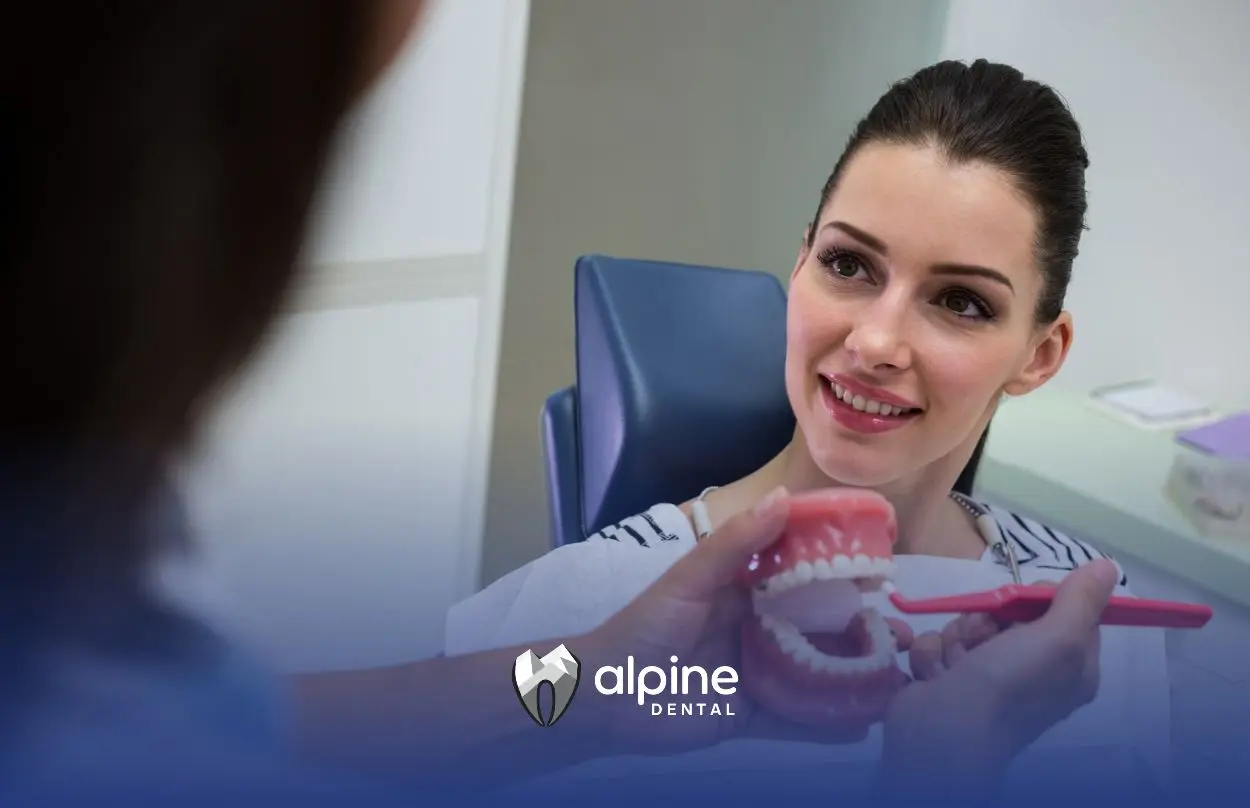
Getting your first set of dentures, or a fresh set to replace an old one, is a big moment. It is also a big change for your mouth. Your gums, tongue, and cheek muscles have worked one way for years, and now they have to learn a new routine. That is why adjusting to new dentures takes patience, and why the first two weeks matter so much.
The good news is that most of what you will feel is normal and temporary. This guide walks through what to expect day by day, including sore spots, adjustment visits, increased saliva, and how long to wear your dentures each day. If you are helping a parent or spouse through the process, you will find tips for you too.
Why Adjusting to New Dentures Takes Time
A full denture rests on your gums and is held in place by suction and the natural shape of your mouth. Your cheeks and tongue help keep it steady, too. The American Dental Association explains that new dentures can feel awkward, and even a little loose, for a few weeks while those muscles learn to hold them in place. Minor irritation and soreness are not unusual either.
Several things affect how quickly you settle in. A full denture usually takes more getting used to than a partial. If your teeth were removed recently, your gums are still healing and changing shape. And people who are brand new to dentures often need more time than those replacing an old set. Dr. Terry at Alpine Dental Manchester has advanced training in denture therapy, and in our denture visits we often remind patients that a comfortable fit is a process, not a single appointment.
Day-by-Day Guide to Your First Two Weeks With New Dentures
Everyone adapts at a different pace, so treat this as a general timeline. Your own dentist's instructions always come first.
Day 1: Fullness, Pressure, and Extra Saliva
Expect your dentures to feel bulky at first. Your lips may feel pushed out, your tongue may not know where to rest, and you will probably notice more saliva than usual. Some pressure and mild soreness are common, and food may taste a little different while your mouth adjusts to the new texture.
Keep the day simple. Stick to soft foods such as yogurt, scrambled eggs, soup, and mashed potatoes, cut into small pieces. Follow whatever wear instructions your dentist gave you. Some dentists ask new wearers to keep dentures in for the first day or so, even overnight, so the fit can be checked afterward for pressure points.
Days 2 and 3: Sore Spots Make Themselves Known
This is when many people first notice sore spots. The denture has started to settle onto your gums, and any area that presses harder than the rest begins to feel tender. We have seen new wearers worry that a sore spot means something is wrong with the denture. In most cases, it simply means a small adjustment is due, which is a normal part of the process.
You may also bite your cheek or tongue more than usual. That tends to ease as your muscles learn the new shape. If a spot is bothering you, do not wait for it to get worse. Call us at (732) 350-7700, and we will set up an adjustment visit.
Days 4 to 7: Speech and Eating Start to Settle
By the end of the first week, many people notice small improvements. Words with "s" and "sh" sounds, which can come out with a slight whistle or lisp at first, begin to sound more natural. Reading aloud for a few minutes each day is one of the simplest ways to speed this up, because it gives your tongue and lips repeated practice.
Eating usually gets easier, too. Chew on both sides of your mouth at the same time, which keeps the denture stable instead of tipping it. Add tender foods like pasta, fish, and cooked vegetables, and keep avoiding very hard or sticky foods for now.
Days 8 to 14: Building Confidence
In the second week, much of the early awkwardness has faded for many wearers. You may stop thinking about your dentures for stretches of the day. Chewing gets more efficient, your speech sounds more like you, and the extra saliva has often calmed down.
This is also a good time for a follow-up visit if you have not had one yet. Full comfort can take longer than two weeks, and some people need a month or more, which is perfectly normal.
Sore Spots and Adjustment Visits: What Is Normal and What Is Not
Sore spots are the most common complaint with new dentures, and one of the easiest problems to fix when you let your dentist handle them.
Why Sore Spots Happen
Your dentures are made from impressions and measurements, but your mouth is not a fixed shape. Gum tissue is soft and shifts under pressure, and after teeth are removed, the bone and gums keep reshaping for some time. A denture can end up pressing harder in one spot than another. A dentist can relieve that pressure with small, careful changes, which is why follow-up appointments are a standard part of getting dentures.
What to Do at Home
- Stay with soft foods until the sore area feels better.
- Rinse gently with warm salt water, which many dentists suggest to soothe tender gums.
- Keep your dentures and mouth clean so irritated spots do not become infected.
- Keep your follow-up appointments, even if you feel fine.
- Never trim, bend, or glue your dentures yourself. Home fixes usually make the problem worse.
When to Call Us
Call the office if a sore spot has not eased after a few days, if the pain makes it hard to eat, if your denture rocks, clicks, or slips often, or if you see an open sore in your mouth. Ongoing nausea or gagging is worth mentioning too, since it can point to a fit problem. If you have facial swelling, a fever, or severe pain, call right away and tell us it is urgent. Our emergency dentistry team can help.
Our Whiting office is open Monday through Thursday, 8:00 AM to 4:30 PM, so if a sore spot flares up late in the week, call as early as you can.
Increased Salivation With New Dentures
Your mouth treats a new denture the way it treats any new object: it produces more saliva. It is one of the most surprising parts of adjusting to new dentures, and also one of the most temporary. The ADA notes that saliva flow increases for a time and then settles as your mouth gets used to the denture.
In the meantime, swallow a little more often than you think you need to, sip water through the day, and be patient with the gag reflex, which usually calms down as your mouth adapts. We hear this question a lot: "Does the drooling mean my denture is wrong?" Usually the answer is no. If heavy saliva, gagging, or nausea continues well past the first couple of weeks, tell us so we can check the fit.
Your Wear Schedule: When to Keep Dentures In and When to Rest Your Gums
Your dentist's instructions come first, because the right schedule depends on the type of denture and how your mouth is healing. Here is the general pattern.
The First Day or Two
Some dentists ask you to wear your dentures around the clock at the start, including while you sleep. This lets your dentist see exactly where the denture is pressing when you come back. If you were given that instruction, follow it.
After the First Few Days
Once the early adjustment settles, most dentists recommend taking your dentures out at night. MedlinePlus advises removing them overnight to help prevent sores, infections, and inflammation, and Cleveland Clinic advises against sleeping in them. Resting your gums for several hours each night gives the tissue time to recover.
There is a bigger health reason, too. In a study of adults aged 85 and older, wearing dentures during sleep was linked to roughly double the risk of pneumonia, along with more plaque, gum inflammation, and yeast in the mouth. That does not mean new wearers are in danger. It does mean the nightly habit is worth building early.
Daily Care That Supports the Adjustment
- Brush your gums, tongue, and the roof of your mouth each morning with a soft-bristled brush before you put your dentures in.
- Clean your dentures daily with a soft brush and a non-abrasive cleanser, and never use hot water, which can warp them.
- Store them in water or a denture-cleaning solution overnight so they do not dry out.
- Handle them over a folded towel or a sink of water in case they slip.
- If you use an adhesive, choose one with the ADA Seal of Acceptance and follow the directions exactly.
If a sore spot tempts you to leave your dentures out all day, call us first. Wearing them helps your mouth adapt, and we may ask you to wear them to your visit so we can see precisely where the problem is.
When a Denture Still Feels Unstable
Some patients, especially those with a lower full denture, find that it still shifts after a few adjustments. That is not a failure on your part. The jawbone changes after tooth loss, and a denture may eventually need to be relined or remade. If stability stays a challenge, ask us about implant-supported dentures, which anchor the denture to dental implants for a more secure fit. Regular checkups through our general dentistry care also let us watch the fit over time.
Tips for Family Members and Caregivers
Many of our denture patients are seniors, and family members often play a big role in the first weeks. Encourage soft, small bites at meals, and watch for signs of a problem, such as skipped meals, avoiding conversation, or touching the mouth often. Remind your loved one to remove the dentures at night, offer to drive to adjustment visits, and be kind about the emotional side. Many people feel self-conscious at first, and that fades as confidence grows.
Conclusion
Adjusting to new dentures is a gradual process, and the first two weeks set the tone. Expect some fullness, extra saliva, and sore spots in the first few days, then steady improvement in speech and eating as your muscles learn the new fit. Soft foods, daily reading aloud, good cleaning habits, and a nightly break for your gums all help. Most importantly, do not tough out a sore spot or a loose denture on your own. Adjustment visits are a normal part of getting dentures right, and the sooner a small problem is fixed, the sooner you can enjoy eating, talking, and smiling again.
Get Help Adjusting to Your New Dentures
Alpine Dental Manchester welcomes denture patients from Whiting, Manchester Township, and nearby Ocean County communities. If your new dentures are rubbing, slipping, or just not feeling right, you do not have to figure it out alone.
Book an appointment online to schedule your visit with Dr. Terry at our Whiting office.
Frequently Asked Questions
How long does it take to get used to new dentures?
Most people feel noticeably more comfortable within a few weeks, though full comfort can take longer. The ADA says new dentures may feel awkward for a few weeks until you become accustomed to them. Speech and eating usually improve first, extra saliva settles down, and sore spots are fixed with adjustment visits. If a problem lingers, see your dentist rather than waiting it out.
Is it normal for new dentures to cause sore spots?
Yes, minor soreness is common as the denture settles onto your gums. A sore spot that lasts or gets worse usually means the denture needs a small adjustment. Do not try to fix it yourself. Call your dentist, who can relieve the pressure point, and keep your follow-up appointments.
Should I sleep with my new dentures in?
Only if your dentist tells you to, which is usually just for the first day or so. After that, take your dentures out at night so your gums can rest, and keep them in water or a denture-cleaning solution. Research has linked sleeping in dentures with a higher risk of pneumonia in very elderly adults, along with more plaque and gum inflammation.
SOURCES:
- https://www.mouthhealthy.org/all-topics-a-z/dentures
- https://my.clevelandclinic.org/health/articles/10901-denture-care
- https://medlineplus.gov/ency/article/002037.htm
- https://medlineplus.gov/dentures.html
- https://commons.ada.org/oralhealthtopics/23
- https://www.qld.gov.au/health/staying-healthy/oral-health/orthodontics-specialty-dental/dentures
- https://pubmed.ncbi.nlm.nih.gov/25294364/