
Dental Health
Immediate Dentures: What to Expect on Day One and Through Healing
By Dr. Terry · November 5, 2026 · 11 min read
Getting immediate dentures in Whiting, NJ? Learn what day one feels like, why gums shrink, how relines work, and why your first set is only transitional.
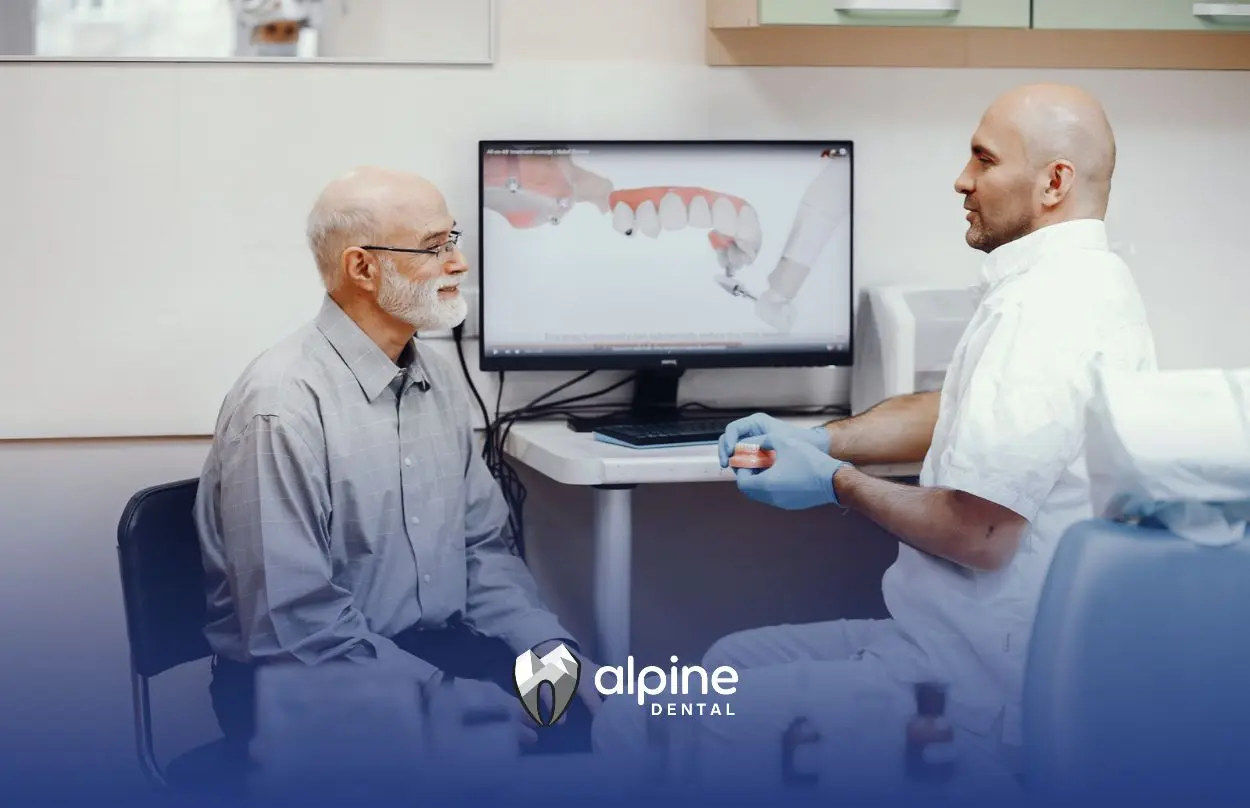
Losing teeth is hard enough without the thought of going home with an empty smile while you wait for replacements. That is the problem immediate dentures are designed to solve. If your dentist has recommended extractions and you are weighing your options, you probably have questions. What will the day feel like? How long does the adjustment take? Are these dentures meant to last?
This guide walks through what to expect with immediate dentures, from the day your teeth are removed to the relines that follow. We also explain why your first set is transitional, so nothing about the process catches you off guard. If you are a son, daughter, or caregiver helping a parent through this, the details below are written for you too.
What Are Immediate Dentures?
Immediate dentures are removable dentures that are made before your teeth come out and placed the same day your teeth are removed. They can replace a few teeth, or every tooth on the upper or lower arch. Because they are prepared in advance from impressions taken while your natural teeth are still in your mouth, you leave the office with teeth instead of gaps.
There is one important catch. Your mouth changes shape as it heals, and your denture is made before that change happens. That single fact explains almost everything about the immediate denture experience: the adjustments, the loose feeling that develops over time, and the follow-up visits that are part of the plan.
How Immediate Dentures Are Made and Placed
Planning Before Your Extractions
The process starts with an exam, X-rays, and a conversation about which teeth are coming out and why. We take impressions and record how your teeth bite together, then choose the size, shape, and shade of the new teeth. We also review your health history and medications, since these can affect how extractions are planned and how you heal.
At Alpine Dental Manchester, your denture care is handled by Dr. Kaitlyn Terry, who has advanced training in denture therapy. In our sessions, this planning visit is where most of the worry gets settled, because patients can see exactly what is going to happen and ask every question before the day arrives.
Placement Day
On the day of your extractions, your teeth are removed, and the denture is seated right away. We check your bite, make any quick adjustments, and go over written and spoken care instructions. We have found that the biggest relief for many patients is simply not having to face family, friends, or the grocery store without teeth.
What to Expect in the First 48 Hours
The first two days are the most demanding part of the process. Knowing what is normal makes them much easier.
Keep the Denture In, Even If It Feels Strange
Most dentists ask patients to leave the immediate denture in place for the first night after extractions. Swelling can build quickly, and if the denture comes out too soon, it can be hard to fit back in. Some offices use a slightly different timeframe, so follow the exact instructions your dentist gives you.
Some light oozing of blood around the denture is common at first, and swelling usually peaks a couple of days after the procedure before it starts to ease. Call us right away if bleeding is heavy, swelling keeps getting worse, or you develop a fever.
Soreness, Soft Foods, and First Cleanings
Soreness around the extraction sites is expected, especially when the denture is taken out and put back in. When you do remove it as directed, rinse it gently under cool water to clear away debris, then reseat it promptly. Stick to soft foods and avoid very hot drinks while your mouth settles. Cold, soft foods such as yogurt, applesauce, and smoothies (eaten with a spoon) are a comfortable place to start.
Why Gums Shrink, and Immediate Dentures Loosen During Healing
After teeth are removed, the sockets heal, and the gum and bone beneath them gradually reshape. Gums and the ridges that support a denture generally shrink as this happens. Your immediate denture was made for the shape of your mouth on extraction day, so a small gap slowly opens between the denture and your gums.
That gap is why many people notice their denture starting to feel loose, slip when they talk, or click when they eat. It is a normal part of healing, not a sign that something went wrong. In our experience, patients feel much calmer once they hear that looseness is expected, and that it can be corrected.
The pace of change varies. Swelling goes down in days to weeks, while bone continues to remodel for months. Lower dentures also tend to feel looser than upper dentures because they have less surface to hold onto and the tongue is constantly in motion.
Relines Built Into the Plan
Because shrinkage is predictable, relines are not a surprise repair. They are part of the plan from the beginning. When you ask us about immediate dentures, we will explain how follow-up visits and relines fit into your treatment so you know the full picture up front.
Soft Relines During Healing
A soft reline adds a cushioning, flexible material to the inside of your denture to fill the gap left by healing gums. It improves comfort and grip while your mouth is still changing. Depending on how quickly your mouth heals, you may need more than one during the early months, along with small adjustments to relieve sore spots. If a spot is rubbing, please do not wait it out. A quick adjustment often solves it.
The Final Reline or a New Denture
Once healing settles, the next step is a more lasting fix. Clinical guidelines describe a definitive (hard) reline, often done in a dental laboratory, after enough soft tissue and bone healing has taken place. Timing is commonly measured in months and varies from person to person. In some cases, a new denture is the better choice, for example, when the position of the teeth or your bite needs to be improved after healing.
Your dentist will tell you which route makes sense for your mouth. The important thing is to keep your follow-up visits so that we can monitor healing and make changes at the right moment.
Why Your First Set of Immediate Dentures Is Transitional
An immediate denture is designed to do three jobs well: give you teeth right away, protect the extraction sites while you heal, and carry you through the healing period. It was never meant to be the final set.
Think of it as a bridge between your natural teeth and your long-term dentures. Since it is made before your mouth finishes changing, it cannot match the final shape of your gums. Even with careful planning, it may not fit as precisely as a denture made after healing, and in rare cases it may need to be remade. Many dentists describe immediate dentures as a temporary solution that is replaced or definitively relined after about six months to a year.
If you want a more stable option for the long term, ask about implant-supported dentures. Anchoring a denture to dental implants can help it stay put when you eat and speak. You can also read more about the full, partial, and implant-supported options we offer.
Eating and Speaking With Immediate Dentures
Eating
Eating takes practice, and that is true for everyone who starts wearing dentures. Begin with soft foods, cut everything into small pieces, and chew slowly on both sides of your mouth at once to keep the denture steady. As soreness fades, you can add firmer foods gradually. Very hard, crunchy, or sticky foods may stay difficult, especially while your bite feels unstable.
Speaking
Your tongue and cheeks need time to learn the new shape in your mouth. Some people lisp or have trouble with certain sounds at first, and this usually improves within a few weeks. Reading aloud or talking with a friend is a simple way to practice. If a denture slips while you speak, a denture adhesive may help, and your dentist can recommend a suitable one.
Daily Care for Immediate Dentures
Once your dentist tells you it is time to start taking the denture out for cleaning, a steady routine protects both the denture and your gums.
- Clean the denture every day with a soft brush and a denture cleaner, mild hand soap, or dish soap. Ordinary toothpaste is too abrasive.
- Look for cleaning products that carry the ADA Seal of Acceptance.
- Skip hot water, which can warp the denture.
- Clean over a folded towel or a basin of water, in case it slips.
- Remove the denture at night once your dentist says it is safe to do so, and store it in cool water or a denture solution.
- Brush your gums, tongue, and palate gently each morning, and keep up with regular dental checkups.
Immediate Dentures vs. Waiting for Conventional Dentures
Both approaches are valid. The right one depends on your health, how many teeth are coming out, and your daily life.
Immediate Dentures | Conventional Dentures | |
When you get teeth | The same day as extractions | After a healing period, often weeks to months |
Time without teeth | None | Yes, while you wait |
Fit at first | Less precise, since made before healing | More precise, since made after healing |
Adjustments | More frequent early on | Fewer |
Relines or remake | Expected, usually within months | Less likely to be needed soon |
Best for | People who want to avoid going without teeth | People who can wait and want fewer early adjustments |
For most of the seniors we see, the question is less about which option is "better" and more about which one fits their life. A person with a social calendar, grandchildren to visit, or a job to return to often chooses immediate dentures. Someone who prefers fewer adjustments may choose to wait. We are happy to talk through both.
What We've Seen at Our Whiting Office
We have seen a clear pattern in our denture patients. The people who feel most comfortable with immediate dentures are the ones who know in advance that the first set is temporary. They expect the loose feeling, they book their follow-up visits, and they treat the early months as a process rather than a problem.
In our sessions, the most common concern we hear around week three or four is, "Is my denture supposed to feel like this?" Often the answer is yes, and a reline or small adjustment makes a real difference. If something feels wrong, such as a sharp sore spot, a cracked denture, or severe pain, please call us promptly. Our emergency dentistry team can help, and your general dentistry checkups keep an eye on the health of your remaining teeth, gums, and denture fit.
You can find directions and office details on our Whiting, NJ location page.
Conclusion
Immediate dentures let you leave your extraction appointment with teeth instead of gaps. They are made before healing, so they are transitional by design. Expect some soreness and swelling in the first couple of days, a denture that loosens as your gums shrink, and soft relines to keep it comfortable. A final reline or a new denture follows once your mouth has settled. With realistic expectations, regular follow-up visits, and good daily care, immediate dentures can be a smooth, confident way to move from natural teeth to a long-term set.
Schedule Your Immediate Denture Consultation
If you are facing extractions and want to know what immediate dentures could look like for you, we are here to help. Alpine Dental Manchester welcomes patients from Whiting, Manchester Township, and nearby Ocean County communities.
Call us at (732) 350-7700 or book an appointment online, and we will walk you through every step before you commit.
Frequently Asked Questions
How long do immediate dentures last?
Immediate dentures are meant to be transitional. They usually need relining within the first few months, and they are often replaced or definitively relined after healing, commonly somewhere between six months and a year. The final denture that follows can last for years with good care and regular checkups.
Do immediate dentures hurt?
Some soreness is normal, especially in the first few days while the extraction sites heal. Sore spots from rubbing can usually be fixed with a quick adjustment, so call your dentist rather than waiting. Severe pain, heavy bleeding, or a fever should be checked right away.
When can I take out my immediate dentures after extractions?
Most dentists ask you to leave the denture in for the first night, because swelling can make it hard to put back in. After that, your dentist will tell you when to begin removing it for cleaning and at night. Follow the specific instructions you receive, since the timing can vary.
SOURCES:
- https://oxfordhealth.nhs.uk/leaflets/title/oxfordshire-community-dental-service-immediate-dentures/
- https://www.for.org/en/treat/treatment-guidelines/edentulous/treatment-options/mucosally-supported/immediate-dentures
- https://dentistry.prod.drupal.uiowa.edu/sites/default/files/docs/complete-denture-consent.pdf
- https://www.dentaleconomics.com/science-tech/dentures/article/16394496/providing-a-predictable-immediate-denture-part-2
- https://mouthhealthy.org/all-topics-a-z/dentures
- https://www.ada.org/en/resources/ada-library/oral-health-topics/dentures
- https://royaldevon.nhs.uk/media/wtppbvta/looking-after-your-immediate-dentures-789-v2.pdf